
Engine Failure in the Northern Rockies of Canada
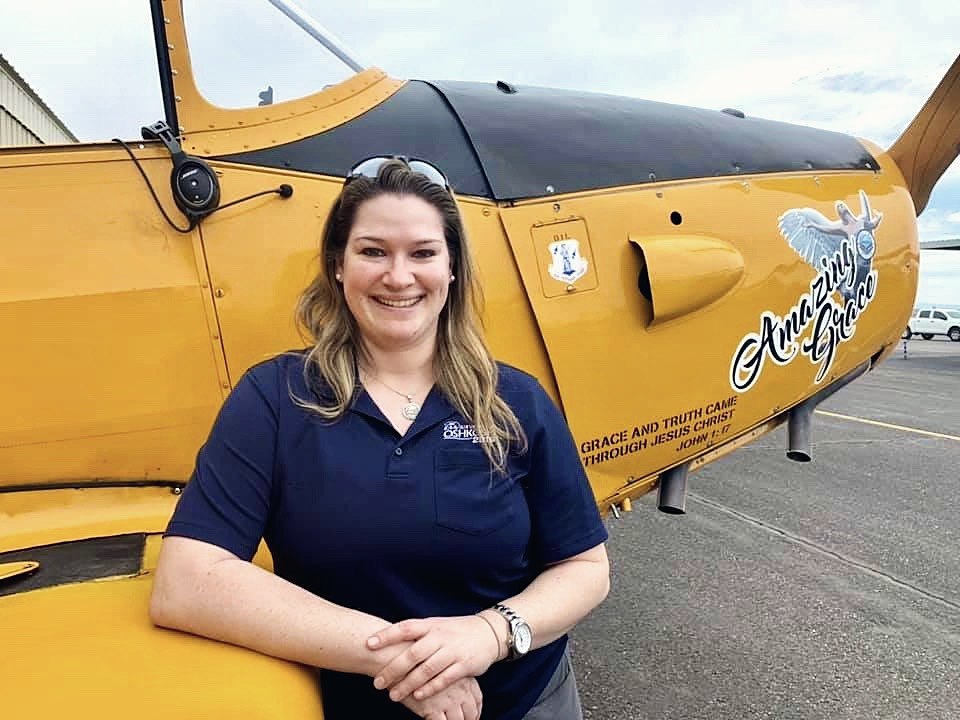
From the archive: Sarah wrote this in 2019. Some details may have changed since.
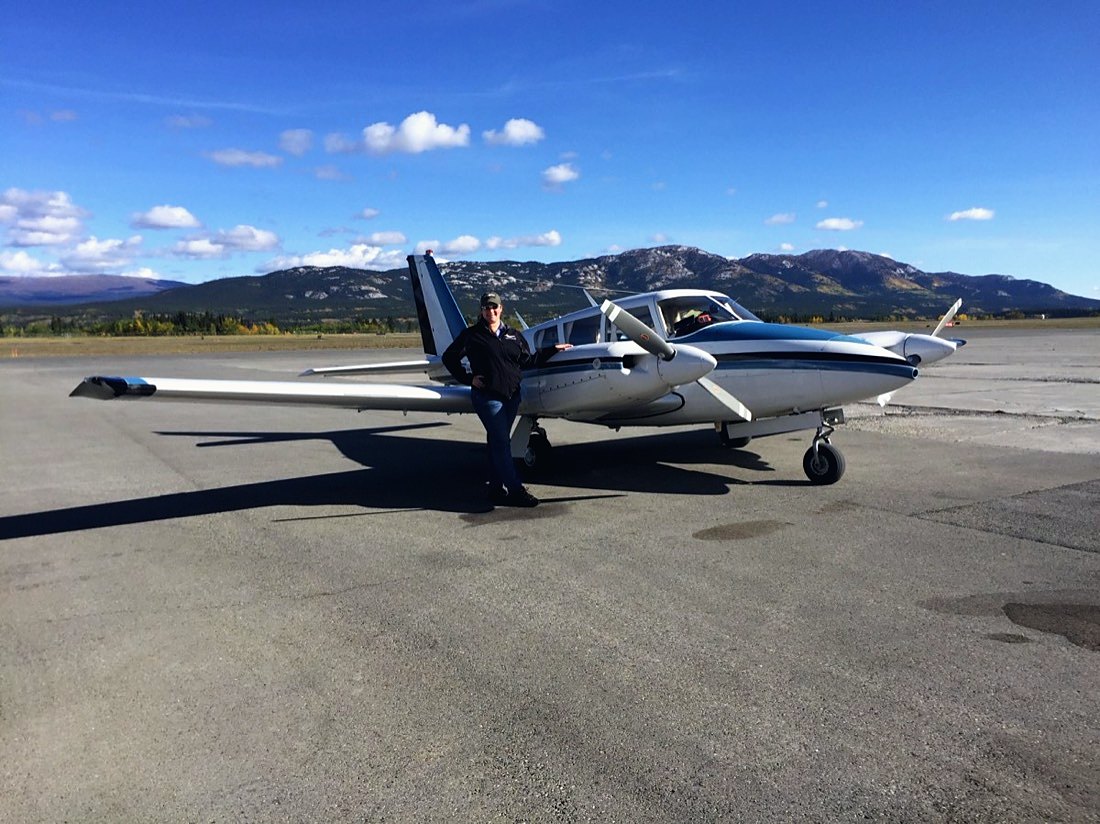
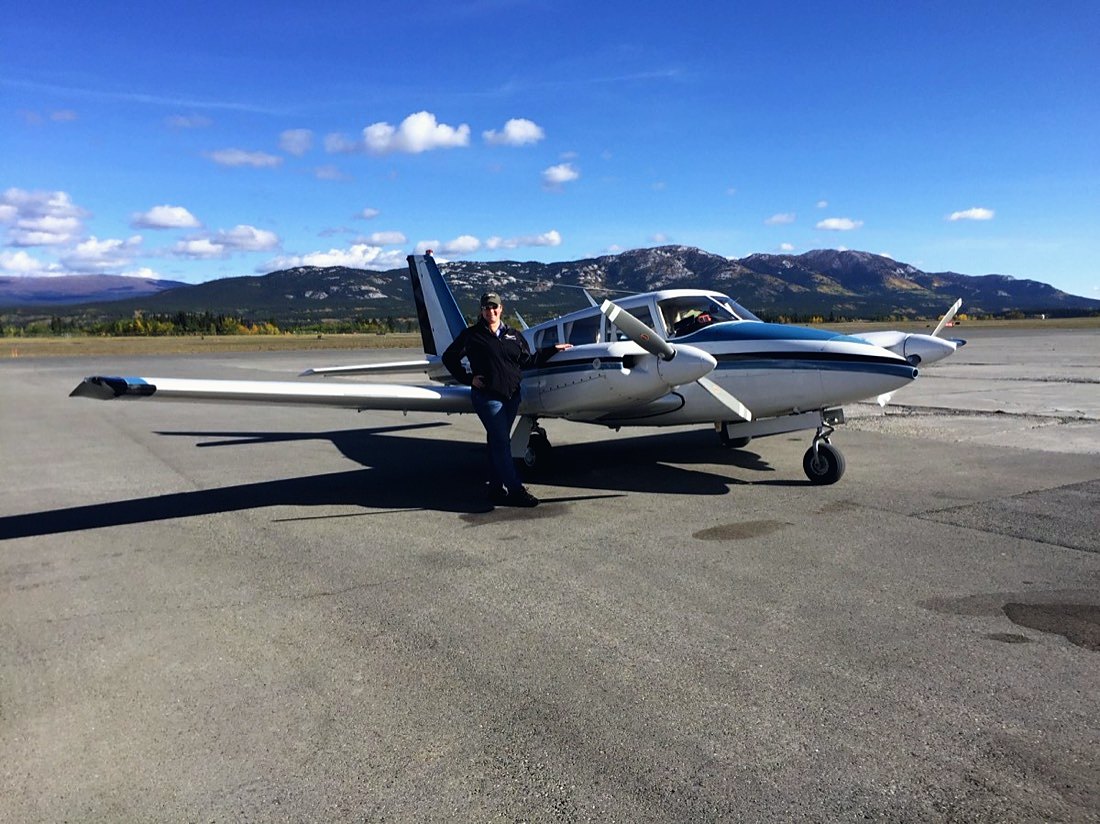
The mission was to ferry a Twin Comanche from Seattle to Alaska. I had been contacted by an organization that was looking to add a multi-engine trainer to their fleet. At the last minute, I had been contacted by the organization and asked if I would fly with their newest multi-engine instructor to give him some experience in the plane on the way to Alaska. I agreed to this and called the instructor to learn about his experience so I could tailor the flight toward his experience. The instructor was a former military instructor pilot, and had gotten his MEI (multi engine instructor) rating by using his military equivalency. I found out quickly that he had very limited experience in piston aircraft as most of his time was in turbines and turboprops. Having flown both on a regular basis, I was up to the challenge in helping him transition.
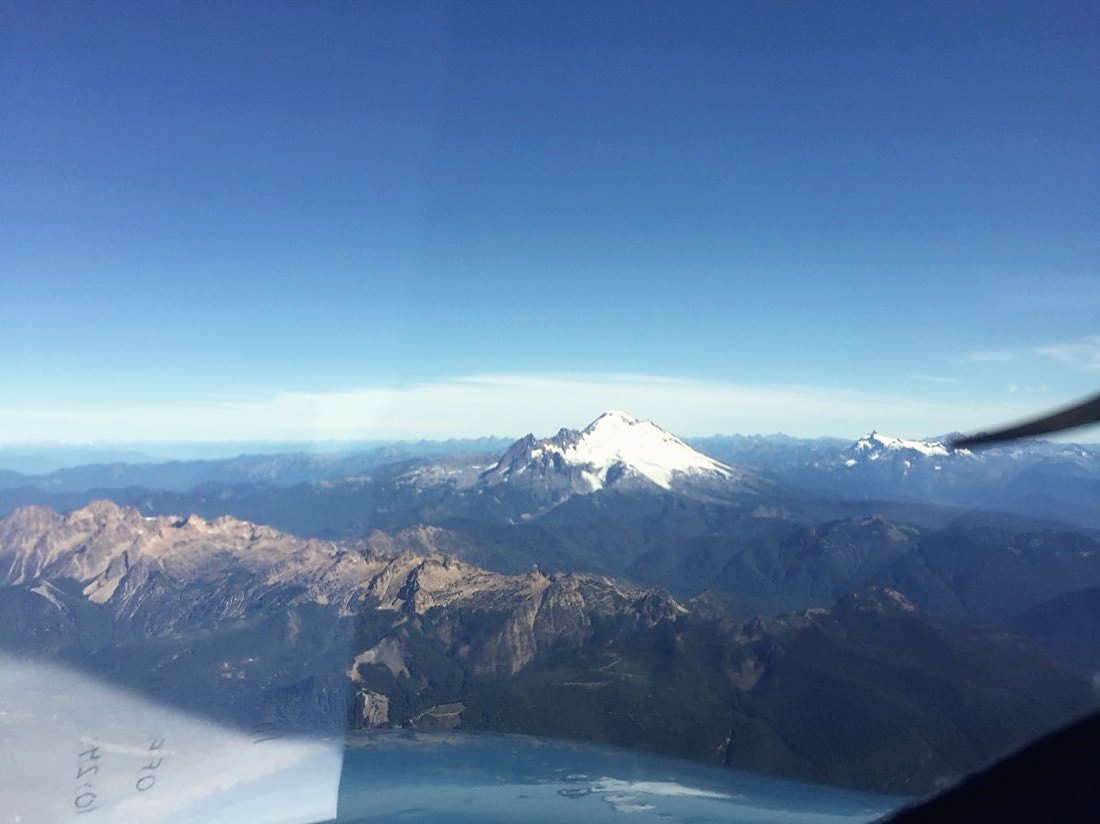
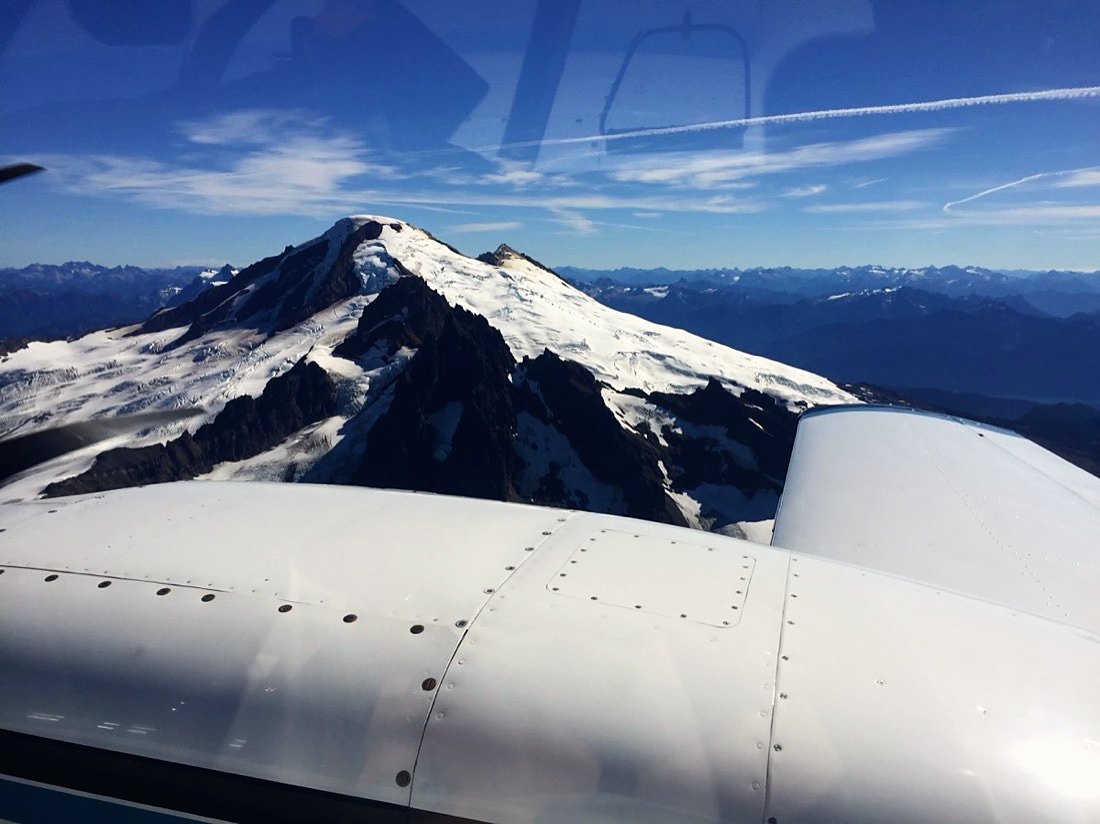
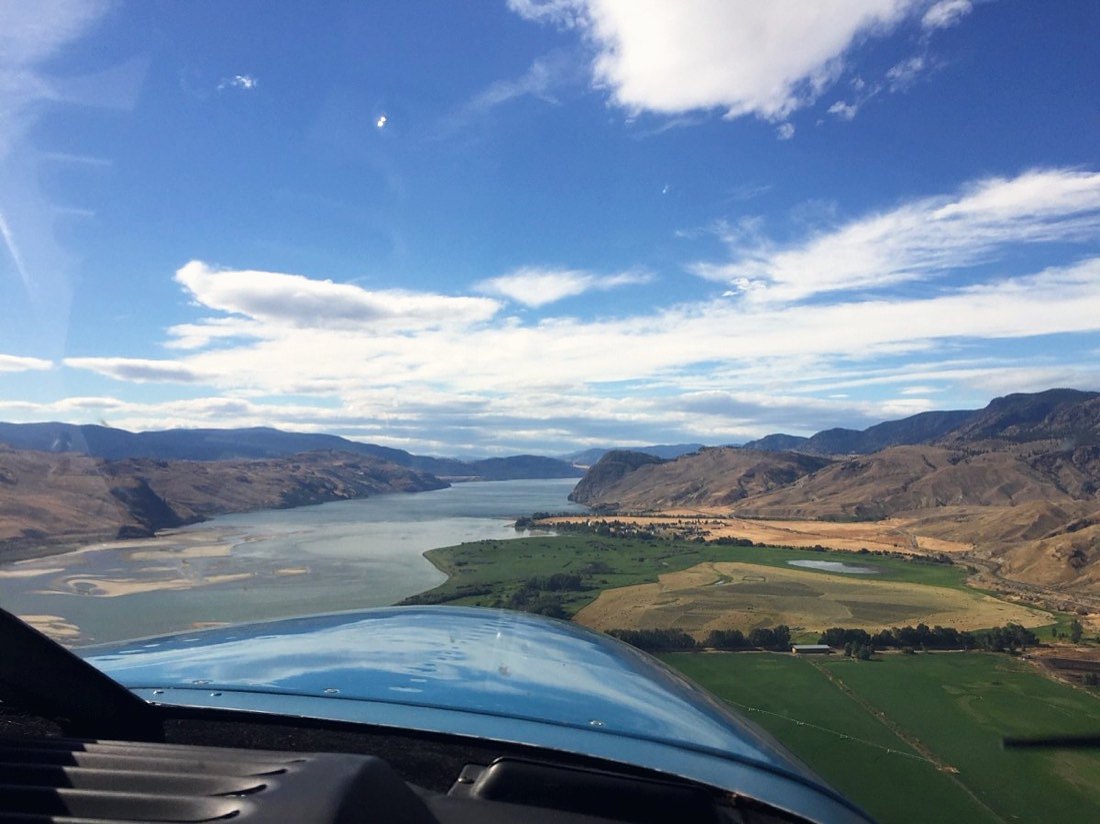
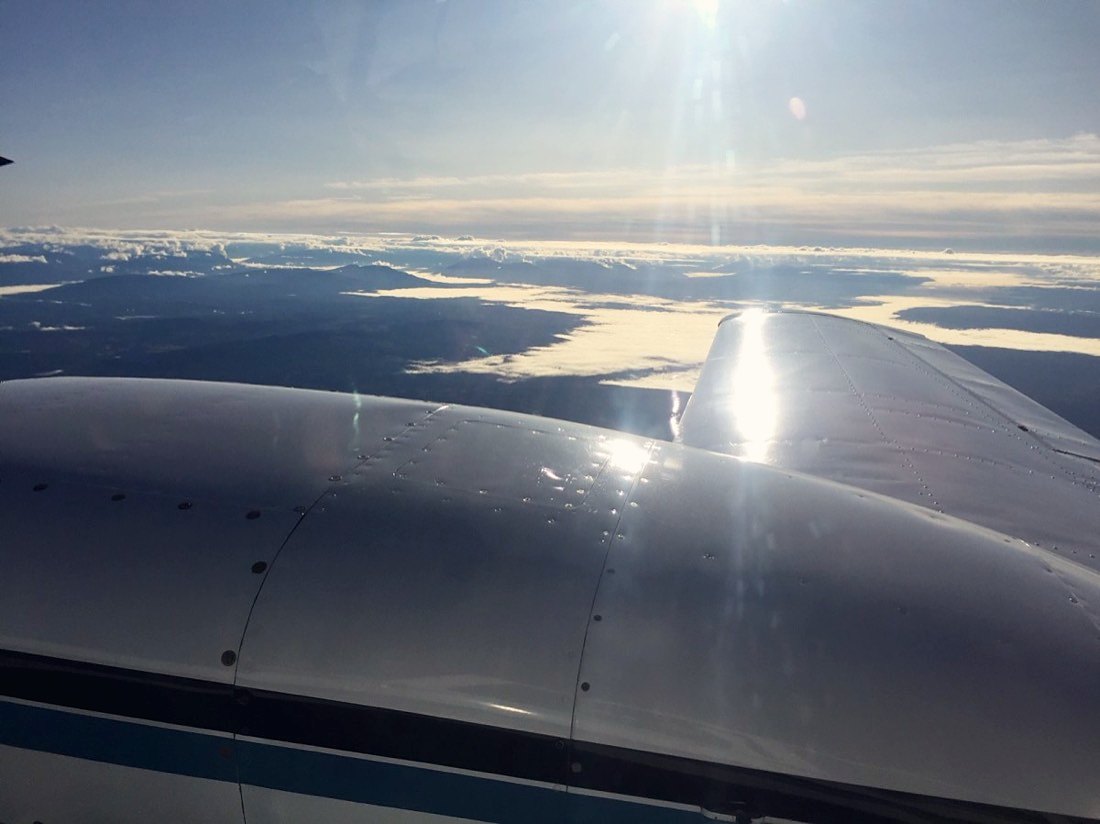
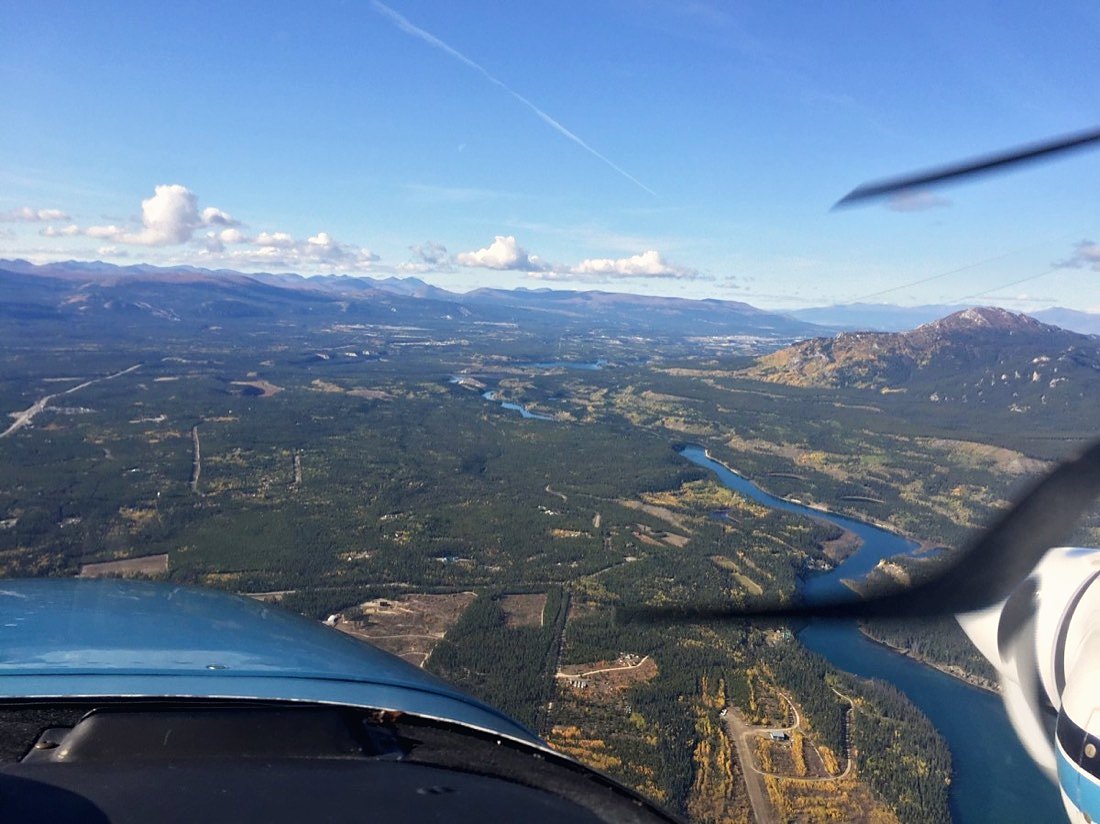
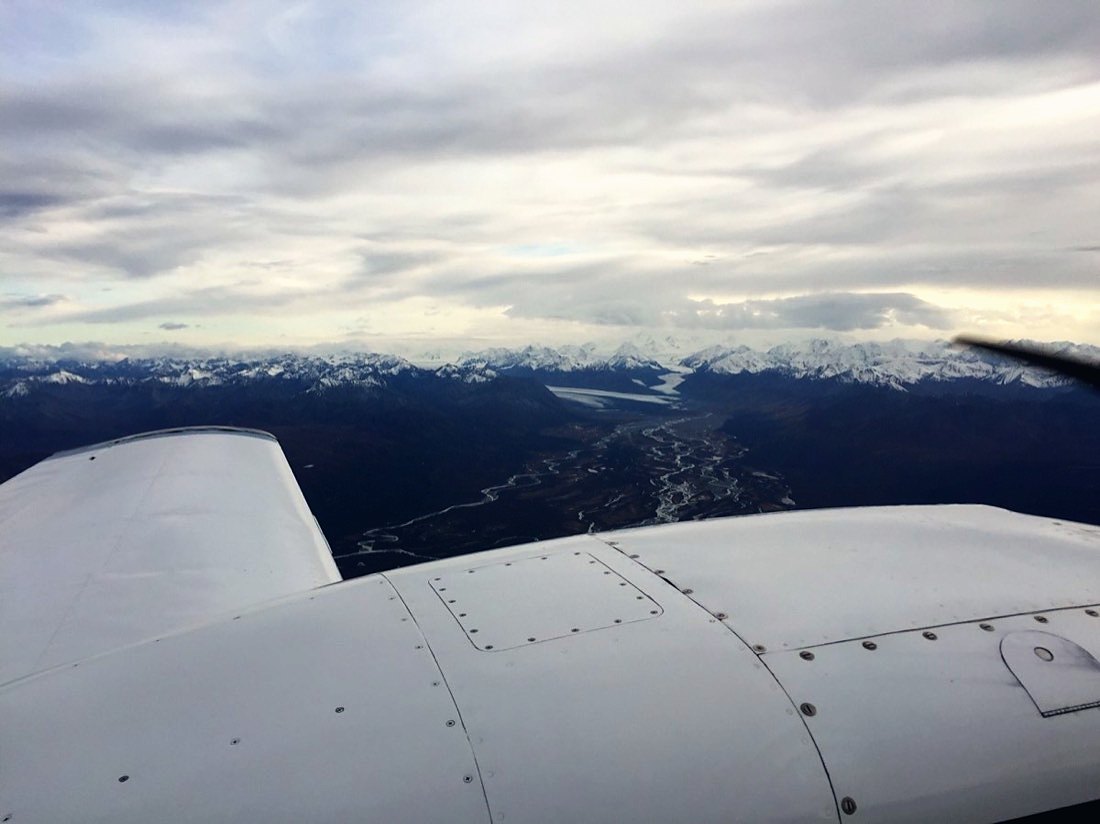
We met in Seattle. He was quite out of practice, so I flew the first leg into Canada. After clearing customs, I put in him the left seat. There were no brakes on the instructor’s side but given his experience I didn’t think it was a problem. At first he started with the radios as well while we worked on a plane to incorporate some CRM in the flight. The takeoff was a bit shaky but not unsafe. The plan was to cross to the eastern side of the Rockies as a front was coming in and would bring strong winds and rain to the trench route. The Alaska Highway route, although out of our way in distance, often featured better weather and was more reliable for travel. Although the plane was IFR equipped, even in the summer you can expect to pick up ice if you are in clouds above the mountains. We started heading over the mountains and quickly realized we would need to climb to get above the clouds. We were flying VFR, and we would need to climb to about 13,000ft for about 50 miles in order to get above the clouds. In Canada, Class B airspace starts at 12500ft so we needed a clearance to climb above that. I started trying to get Vancouver on the radio but with no luck. I had asked the instructor to initiate the climb hoping I could pick up a clearance before we got to 12,000ft but I couldn’t get anyone on the radio. I later found out that the radio on the right side didn’t work.
After getting to 12,000ft, I told him that we would just need to descend back down and cross the mountains below the clouds, which still allowed for at least 2,000-3,000ft of clearance. He then began the descent. Descending through about 10,000ft, the plane started shaking and I looked out to the right and saw that the right engine propeller stopped moving, almost in a feather condition. I called out engine failure and took the controls from the instructor who got very excited. I then worked to stabilize the plane so we could troubleshoot the problem When I added power to level off, it seemed that the left engine did not want to come up on power either. I thought that was weird, and then looked down to see the prop levers had been both pulled back almost to where the throttle idle position would be, while the power levers will still up at cruise. I then realized that the instructor had tried to descend using the prop levers and had pull the right engine back to feather I corrected the left engine by putting the prop lever back up and it roared to live. The instructor was visibly upset so I told him that I had the airplane and asked him to pull out the securing engine and in-flight start checklist. In the twin Comanche all the controls are on the left side of the pilot’s seat, making it inaccessible for the instructor on the right. We re-started the engine successfully but the instructor insisted we diver to Prince George so he could collect himself.
We landed safely in Prince George and it occurred to me that maybe this individual was not yet ready to take on the tasks of being an instructor. I told him that it would be his job to shut down engines and re-start them, and that it’s really not that big of a deal. I think in the end he decided against his retirement job as a multi engine instructor in Alaska, although I never followed up after completion of the trip.
In debriefing the scenario, I found just how valuable the airline’s approach to these kinds of emergencies is. I felt that we applied Threat and Error Management well when dealing with an unanticipated threat. I was already somewhat prepared mentally for in-flight errors to happen given the fact it was a training flight, and years of conditioning on how to deal with in-flight engine failures and re-starts was helpful. Although in general aviation we don’t teach Threat and Error Management much, there are a lot of good resources available out there for pilot to learn tools to use when dealing with emergencies in flight. It helps the pilot focus on the issue and work through problem solving steps to come toward a solution. In the end, it worked out well but as an instructor it’s always good to watch your students like a hawk, especially in a high workload environment!
Sarah Rovner holds an ATP certificate with B-767, B-757, B-737 and CL-65 type ratings and is currently an FAA Safety Team Lead Representative, Master Instructor, and pilot for a major U.S. Airline. Since changing careers after years as a senior network engineer for the oil and gas industry, Sarah obtained her ATP, CFI, CFII, MEI and has flown about 5000hours. As the owner and chief pilot of an international ferry pilot company, FullThrottle Aviation LLC, Sarah has flown over 117 different types of general aviation airplanes in 15 different countries, including oceanic crossings in small aircraft. She continues to stay involved in general aviation through mentoring and education; volunteering at many different events and presenting original seminars on aviation safety and human factors. Although much of her flying is now professional in nature, she still enjoys flying her Super Cub on her days off.
Keep reading
The Aviation Inspiration of Kermit Weeks Fantasy of Flight
August 31, 2013 It all began when I was sitting in the Cessnas2Oshoksh tent during EAA Airventure 2013. I had been working with the Cessnas2Oshkosh on their training…
Read · 8 min
Arctic Crossing and Winter: Flying a Cessna 210 from the USA to Europe
The weather in the arctic regions is unlike anywhere else in the world. The winters feature intense freezing precipitation combined with extreme fronts and negative…
Read · 17 min
Air Tractor Ferry Over the Ocean
Air Tractors are great airplanes, but they are working birds that take a lot of stress from their pilots. Most Air Tractor wings are hour-limited, and many of the…
Read · 6 min