

“What If I Don’t Want to Instruct to build time?”

From the archive: Sarah wrote this in 2017. Some details may have changed since.
By Sarah Rovner, Master CFI / FAASTeam Lead Representative
“What if I don’t want to instruct?”
Those words, when uttered, generally bring on a slew of bitter old pilot responses on how new pilots should be “putting in their time.” After all, most of the pilots that have come before us in the past decade have only had instructing as an option as they attempted to build time in an industry where pilots were plenty and jobs were few. The aviation industry is on the rise, and we are at a time where expansion is outgrowing the pool of pilots available, bringing many opportunities for pilots of all experience levels.
If we think back to our training days, I’m sure we can all remember a distinct instance where we had an issue with an instructor. That issue could have ranged from poor communication, lack of ability, or complete disinterest in teaching. I have had many people reach out to me with these issues, and the students often change instructors. Not everyone is cut out to be an instructor, and in my opinion we shouldn’t force people to be an instructor I they don’t want to. It doesn’t do anybody any good to have an instructor who doesn’t care to be an instructor. Students, instructors, and the industry suffer as a whole when that happens.
People often ask me about whether or not they should pursue a CFI rating. Many university programs offer this even if the student doesn’t plan to instruct for the school upon graduation. My answer to this is yes, even if you don’t plan on teaching full time. When I was a new CFI, I had many opportunities to fly with plane owners to do BFRs, IPCs, and other occasional training events. I tagged along on Angel Flights, long cross countries, and was able to get experience flying in a variety of airplanes, many of which I could log PIC time as dual given because I had a flight instructor certificate. The networking opportunities were endless. I was introduced as the local CFI in EAA meetings, FAASTeam seminars, and other events. I never instructed full time, and yet I was able to gain opportunities just having the license and giving occasional dual in some amazing, rare airplanes that I would have never gotten to fly otherwise. Additionally, I was able to log just about every flight I took in the right seat because a CFI can log PIC while giving dual instruction, circumventing the rules regarding splitting flight time. Having the rating and being a Master CFI continues to make me more competitive for other jobs and sets me aside from my peers.
There are many opportunities in aviation in which many qualified pilots are applying for the same job. When you want to set yourself apart, the best way to do that is through differentiation. There is absolutely nothing wrong with instructing – it will give you a skillset and insight to flying that will make you a more knowledgeable pilot. However, the best way to differentiate yourself from your peers is to get involved in other aspects of the industry. Being a CFI can help you network and gain these opportunities.
I would never fault a pilot for declining to instruct when they don’t want to. I agree that we all have to do things we don’t want to in order to progress in our careers. But the last thing that aviation needs are instructors who don’t want to instruct as they do a horrible disservice to their students. My advice is to networking as much as you can, fly as many planes as you can, and volunteer your time as much as you can. These three things will take you farther in aviation than you would have ever thought of. And when the time comes, those things will make you stand out amongst your peers.
Keep reading

Why aviation insurance rates are going up and what YOU can do to get better rates
I recently did some research for an upcoming aviation safety presentation on the top 10 causes of aviation insurance claims. I had the opportunity to sit down with a…
Read · 2 min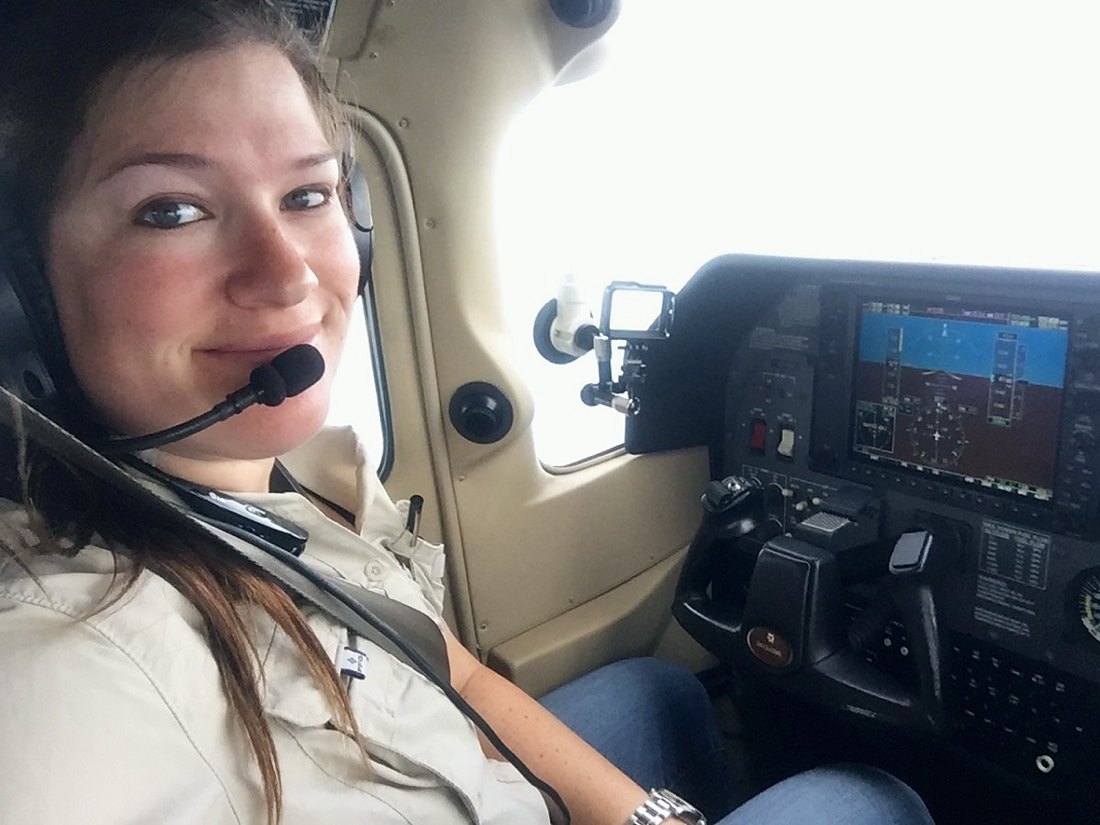
How to Become a Ferry Pilot: 10 Steps
I have seen a lot of posts on social media recently about people looking to get into ferry flying. I did a video on this several years ago where I talked about how I got…
Read · 4 min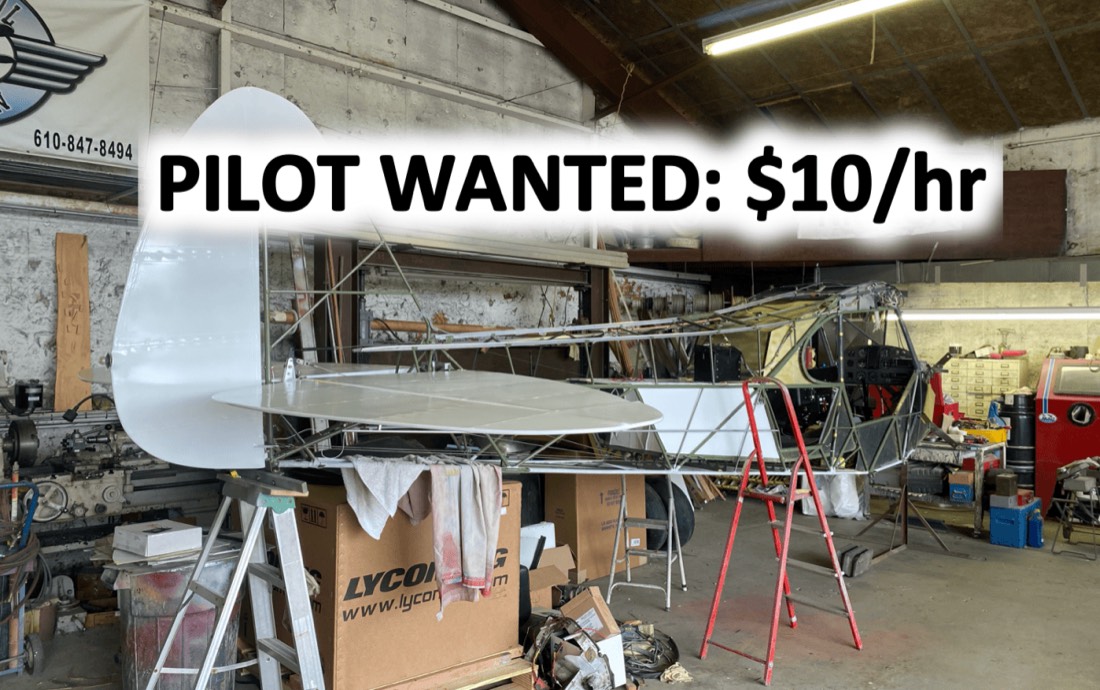
Supply and Demand and the Falling Value of Pilots
Supply and Demand and the Falling Value of Pilots Pilot Wanted: $10/hour! I was recently perusing some aviation related groups on social media to find that a particular…
Read · 5 min